
Electric Water Heater Reset: What a High-Limit Trip Means
Updated November 10, 2026
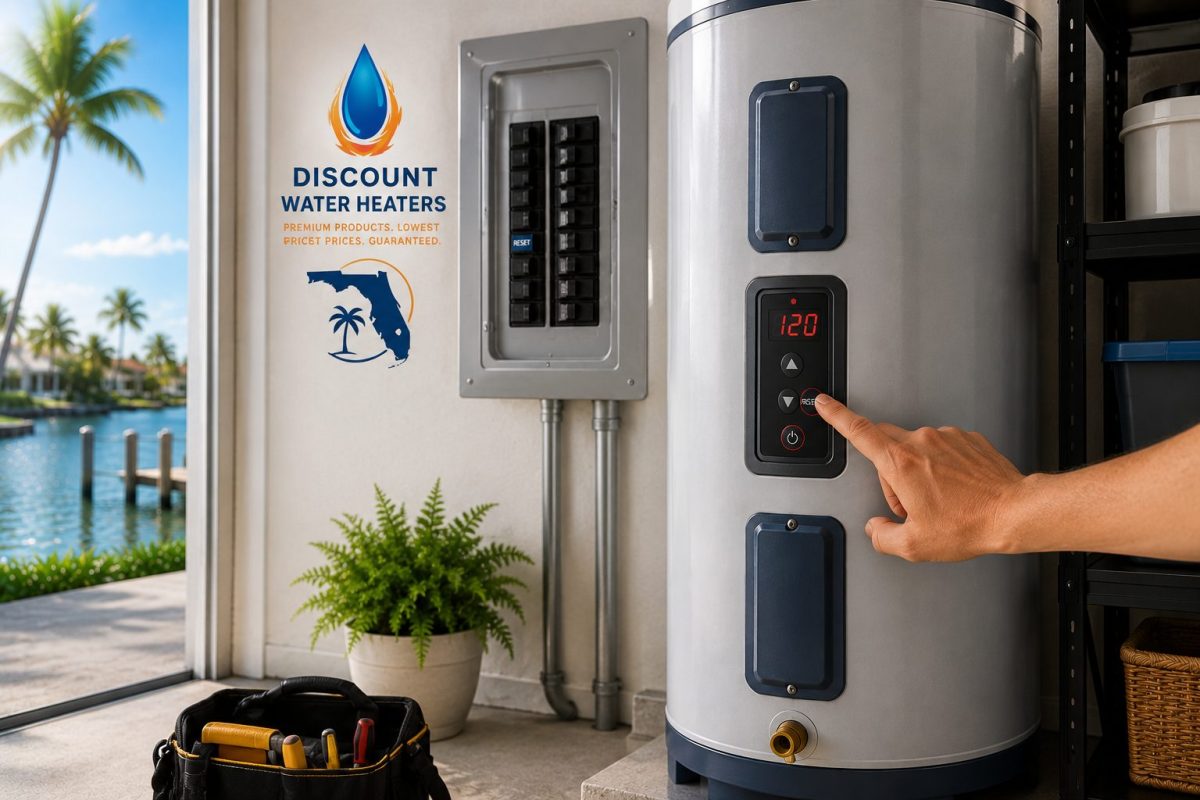
A water heater’s high-limit control is a safety device. If it trips, restoring heat does not establish that the underlying cause has been corrected. Identify the exact model and arrange qualified diagnosis before returning a unit with an unexplained safety-control trip to service.
Start with observations
From a safe, dry location, note any visible display message, unusual temperature, leak, or change in performance. Tell the technician whether the problem affected every fixture or only one. A model-label photo can help identify the appropriate manufacturer instructions.
Follow the instructions for your equipment
Electric tanks, hybrid units, and other models have different controls. Rheem’s hybrid use-and-care guidance directs a qualified service technician to investigate and correct the cause of a high-limit operation. Consult the manual for your specific model instead of using a generic online reset sequence.
Opening covers can expose electrical components. Do not repeatedly reset a control or bypass a safety device. Keep away from equipment or electrical controls if the area is wet, the heater has been flooded, or there are signs of electrical damage. Flood-exposed equipment needs professional evaluation before use.
Information to share when arranging service
- Model and serial number, if safely accessible.
- Any visible error code or display message.
- When hot water stopped or became unusually hot.
- Previous resets or recent electrical or plumbing work.
DWH can arrange a diagnostic visit and explain the recommended work and price. If replacement is a better option, we can help compare the equipment and installation scope.
Ask the DWH team about your equipment, or request a service visit. Scope and appointment timing are confirmed for your property.
Further reading. Manufacturer guidance