
Water Heater Noise: Warning Signs Explained

As a Treasure Coast homeowner, you might find yourself in your utility closet or garage when your water heater suddenly makes a sound you’ve never heard before, a loud pop, a rumbling growl, or rapid banging from inside the tank. The immediate reaction is panic: Is it about to explode? How much is this repair going to cost? The truth is less dramatic, but not entirely reassuring. Not all water heater noise means disaster, but some sounds are genuine water heater noise warning signs that demand attention before a small problem becomes an expensive one.

This guide is designed for Treasure Coast homeowners who want to understand what their water heater is actually telling them. Whether you’re facing an urgent noise situation or just want to know what to listen for, you’ll learn to distinguish between normal operational sounds and those that signal sediment buildup, pressure issues, or component failure.

Here’s what happens in the real world: Consider Maria, a Treasure Coast homeowner who noticed her water heater rumbling during her morning shower. Like most homeowners, her first thought was expensive emergency repairs. Plumbing professionals in the area encounter this situation regularly and can often identify the exact cause just by listening to the tank, in Maria’s case, the solution was straightforward sediment buildup that required a professional flush. The good news is that homeowners who catch these warning signs early usually face much simpler and cheaper solutions than those who wait until the tank fails completely.

Normal Water Heater Sounds You Should Expect to Hear

Before you panic at every noise your water heater makes, it helps to know what a healthy unit actually sounds like. A functioning water heater produces several routine sounds that are completely normal and don’t indicate any problem.

The most common sound is a mild hissing, which occurs when the heating element or gas burner activates and heats the water inside the tank. You might also hear soft clicking or ticking noises as the metal components expand and contract in response to temperature changes, the same reason a house settles and creaks as it cools at night. During the recovery cycle (when the unit reheats water after a hot shower), you’ll hear gentle water flow sounds as cold water enters the tank to replace what you’ve used.

The key distinction: these normal sounds are faint to moderate in volume and occur intermittently or predictably during heating cycles. A barely audible hiss during a shower or a soft tick immediately after hot water use is your water heater operating as designed. Intensity and duration matter. If you have to lean in close to hear it, or if it only happens during specific moments, you’re almost certainly listening to normal operation.

Popping, Banging, and Rumbling: Water Heater Noise Warning Signs

When your water heater makes sounds that are distinctly louder than the gentle operational noises described above, you’re hearing something worth investigating. These warning-sign noises come in a few distinct varieties, and each tells a different story about what’s happening inside the tank.

Popping or Crackling Sounds

Electric water heaters are particularly prone to popping noises, which typically indicate mineral scale or sediment forming around the heating element. When water pockets get trapped beneath the sediment layer, they heat rapidly and expand, creating a small explosion-like pop. In gas units, popping can signal similar sediment issues or, less commonly, condensation in the combustion chamber. A single pop now and then might be harmless, but frequent popping, especially if it’s getting louder, suggests sediment accumulation that will only worsen without intervention.

Banging or Knocking

Banging sounds often point to water hammer, a pressure surge that occurs when a valve closes abruptly and sends a shock wave through the pipes. However, banging can also indicate sediment pieces breaking loose and colliding inside the tank, or mineral deposits building up on the burner or heating element in ways that change normal water flow. If the banging happens right after you stop using hot water, water hammer is likely the culprit. If it occurs during heating cycles, sediment is the more probable cause.

Rumbling or Deep Rolling Sounds

A rumbling or rolling sound, almost like distant thunder coming from your utility closet, is one of the more telling water heater noise warning signs. This deep sound typically means heavy sediment has accumulated at the bottom of the tank. When the burner or heating element tries to heat water through a thick layer of mineral buildup, the water beneath the sediment layer heats up and expands forcefully, creating that low, rumbling vibration. Rumbling is essentially the sound of your water heater working much harder than it should have to, and it’s a strong indicator that professional attention is overdue.

Screeching or High-Pitched Whining

A screeching or whining sound often signals a partially closed valve restricting water flow into or out of the tank. This creates pressure imbalance and friction that produces that high-pitched noise. The good news: this is usually the most straightforward problem to fix. A technician can identify and fully open the valve, restoring normal flow and eliminating the noise. Catching this early prevents the valve from seizing completely, which would require replacement.

Sediment Buildup: The Most Common Reason Your Water Heater Gets Loud

If you live on the Treasure Coast, you’re familiar with hard water. The minerals dissolved in your tap water, primarily calcium and magnesium, don’t just disappear when water is heated. Instead, they settle to the bottom of your water heater tank over time, forming a layer of sediment that accumulates year after year.

Here’s what happens next: when your water heater’s burner or heating element activates, it tries to heat water through that sediment layer. Water trapped between the sediment and the heat source gets superheated, expands rapidly, and creates those popping, rumbling, or banging sounds you’re hearing. This process is inefficient and stressful on the tank itself, the unit has to work longer and run hotter to deliver the same amount of hot water to your home. Over time, this constant strain accelerates corrosion on the inside of the tank, reducing its lifespan and increasing the likelihood of a sudden failure.

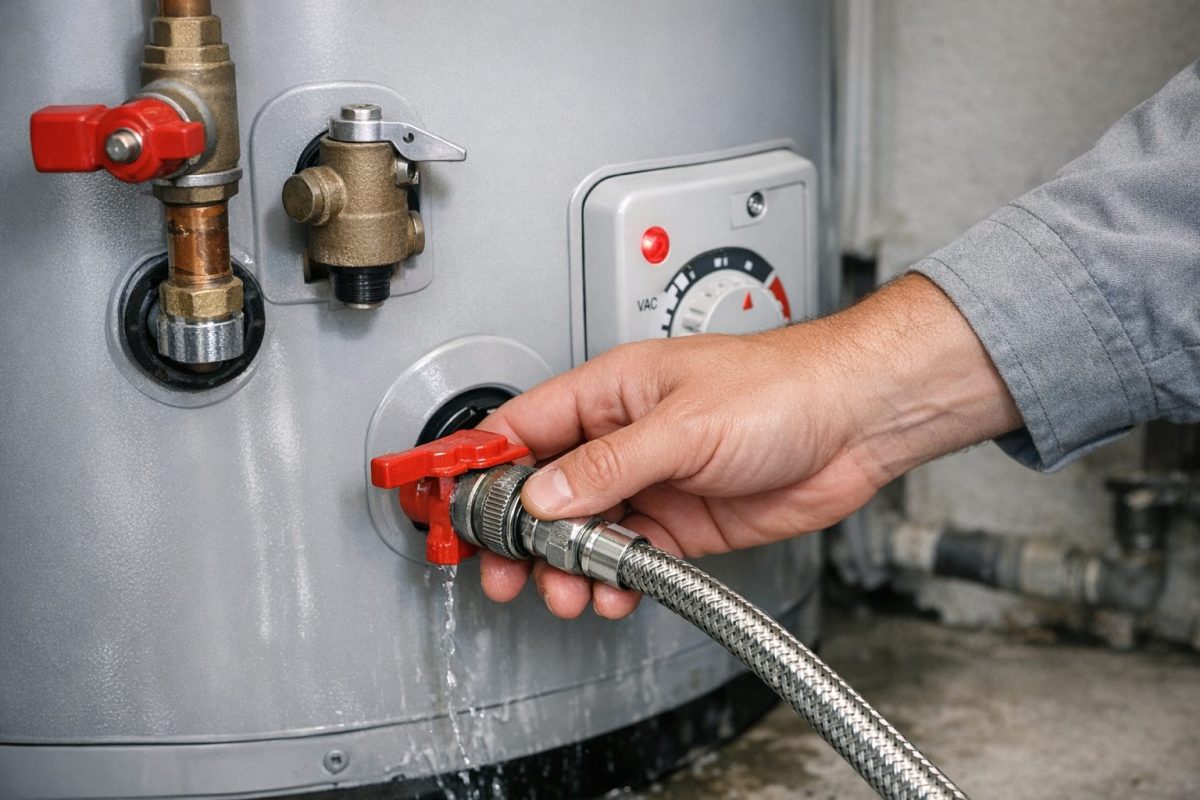
Plumbing professionals in Florida regularly observe a familiar pattern: a 10-year-old water heater in a typical Treasure Coast home with moderately hard water develops 4 to 6 inches of sediment at the bottom. When that unit starts making rumbling noises, the sediment is already thick enough that it’s actively reducing the tank’s efficiency and lifespan. Without annual flushing, a standard maintenance step recommended by manufacturers, that sediment layer will continue to grow, and the noise will get worse. Eventually, so much sediment may accumulate that it interferes with the tank’s drain valve or thermal cut-off mechanisms, creating safety concerns.

The important caveat: while annual flushing can slow sediment accumulation significantly, it cannot completely prevent it in areas with hard water. Even well-maintained water heaters in Florida will eventually accumulate enough sediment that flushing becomes less effective, which is why regular maintenance paired with professional inspection is important for catching problems before they compromise the unit’s reliability.

Less Common but Serious Causes of Water Heater Noise

Not every noise points to sediment. Other issues, though less frequent, can also produce alarming sounds and warrant professional diagnosis.

Pressure relief valve problems: A faulty pressure relief valve, the safety mechanism designed to release excess pressure from the tank, can produce hissing, squealing, or intermittent banging. This is a safety concern because the valve is there to prevent dangerous pressure buildup. If it’s not functioning properly, the tank itself is at risk.

Failing heating elements or burners: In electric water heaters, a weakened or failing heating element can produce crackling sounds and struggle to heat water effectively. In gas units, a burner with corrosion or mineral deposits may make popping or hissing sounds. These components are repairable in many cases, but they won’t heal on their own.

Anode rod deterioration: An anode rod is a sacrificial metal component inside the tank designed to corrode instead of the tank itself. When an anode rod is nearly depleted, the water heater can make unusual noises and may show signs of rust-colored water at the tap. Replacing an anode rod is a preventive maintenance task, but it requires professional access to the tank.

When to DIY Troubleshoot and When to Call a Professional

Not every concerning noise requires an immediate service call, but knowing when to investigate yourself versus when to bring in a technician can save you time and worry.

Safe to troubleshoot on your own:

  • Check the temperature and pressure relief valve to ensure it’s not stuck or leaking. If water is dripping from the overflow pipe, a professional should inspect the valve.
  • Look for visible leaks around connections and the base of the tank. Minor drips at fittings sometimes just need tightening, but pooling water signals a more serious problem.
  • Listen closely to identify when the noise occurs. Does it happen during heating cycles? Right after you use hot water? When a specific fixture runs? This information helps a technician diagnose faster.
  • Check if the noise has changed in pitch, frequency, or loudness over time. Gradual changes often point to sediment; sudden onset of noise may indicate a different issue.

When to call a professional immediately:

  • If the noise is loud, persistent, and getting worse, don’t wait. This suggests accelerating sediment accumulation or component failure.
  • If you see rust-colored water or sediment particles coming from your hot water taps, the tank’s interior is corroding and professional inspection is urgent.
  • If the tank is leaking water, no amount of DIY troubleshooting will fix it. A leak means the tank’s structural integrity is compromised.
  • If you suspect a pressure relief valve issue, water hammer affecting your plumbing system, or any safety-related concern, professional diagnosis is the right call.

What to Do When Your Water Heater Needs Professional Attention

If you’ve identified warning-sign noises or suspect sediment accumulation, your next step is straightforward: contact a licensed plumber or water heater specialist in your area. They can perform a professional flush if sediment is the issue, replace failed components like anode rods or heating elements, or advise you on whether repair makes sense compared to replacement. Many Treasure Coast plumbers offer same-day or next-day service for water heater diagnostics, and catching these problems early typically costs far less than waiting for a tank failure. Document when you first noticed the noise and how it has changed, as this information helps the technician pinpoint the exact cause and solution.

Leave a Reply

Your email address will not be published. Required fields are marked *