
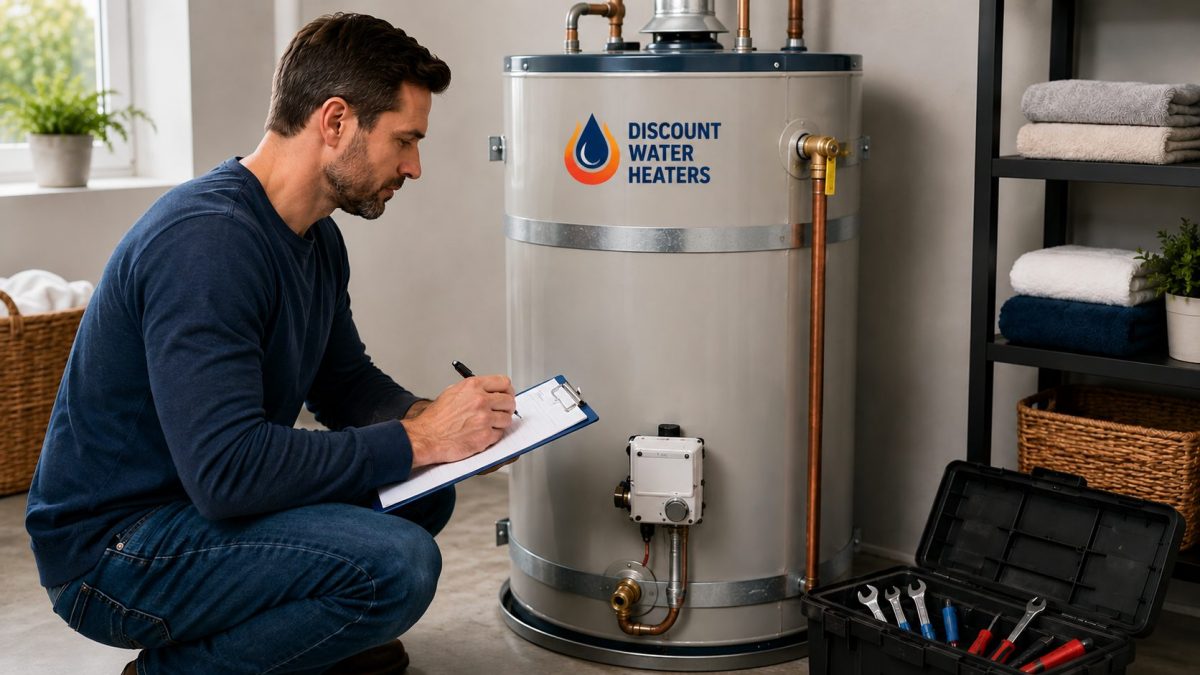
The Ultimate Water Heater Maintenance Guide: 5 DIY Tasks Every Homeowner Should Know
Your water heater is one of the most important appliances in your home. It works quietly behind the scenes every day, providing hot water for showers, laundry, dishes, and countless other household tasks. Yet despite how much we rely on it, most homeowners rarely think about their water heater until something goes wrong. Unfortunately, waiting until there’s a problem can be costly. A neglected water heater can become less efficient, consume more energy, provide less hot water, and even fail unexpectedly. The good news is that many common water heater issues can be prevented with a few simple maintenance tasks. Whether you’re a new homeowner or you’ve lived in your home for years, understanding basic water heater maintenance can help you extend the life of your unit, improve efficiency, and avoid unnecessary repair costs. Best of all, most of these tasks require minimal tools and can be completed in less than an hour. Here are five DIY water heater maintenance tasks every homeowner should know.
Why Water Heater Maintenance Matters
Many homeowners assume that water heaters are “set it and forget it” appliances. While they don’t require constant attention, they do benefit from routine maintenance. Over time, minerals, sediment, corrosion, and normal wear can reduce your water heater’s performance. Without maintenance, your water heater may:
-
Take longer to heat water
-
Run out of hot water faster
-
Use more energy
-
Develop leaks
-
Produce strange noises
-
Experience premature failure
For homeowners on Florida’s Treasure Coast, maintenance is especially important. Hard water conditions common throughout many areas can accelerate sediment buildup inside the tank, causing the unit to work harder than necessary. A little preventative maintenance can help keep your water heater operating efficiently for years to come.
DIY Task #1: Inspect for Leaks and Corrosion
One of the easiest and most important maintenance tasks is simply looking at your water heater. Once a month, take a few minutes to visually inspect the unit. You’re looking for any signs of moisture, rust, or corrosion that could indicate a developing problem. Pay attention to:
-
The base of the water heater
-
Water supply connections
-
Drain valve
-
Temperature and pressure relief valve
-
Venting components (for gas units)
-
Surrounding floor area
Even a small amount of moisture can be a warning sign. Tiny leaks often start slowly before becoming major problems. Rust is another issue homeowners should never ignore. Surface rust around fittings may indicate a failing connection, while rust-colored water coming from faucets could signal corrosion inside the tank itself. If you discover standing water around the tank, significant rust, or active leaks, it’s best to address the issue immediately before it causes damage to your home.
DIY Task #2: Flush Sediment From the Tank
Sediment buildup is one of the most common causes of water heater performance issues. As water enters the tank, naturally occurring minerals such as calcium and magnesium settle to the bottom. Over time, these minerals create a layer of sediment that acts as insulation between the burner or heating element and the water. The result? Reduced efficiency Higher energy bills Longer heating times Less available hot water * Increased wear and tear In severe cases, sediment buildup can even cause the tank to overheat or crack.
Signs Your Water Heater May Need Flushing
Watch for these warning signs:
-
Popping noises
-
Rumbling sounds
-
Reduced hot water supply
-
Longer recovery times
-
Increased utility bills
How to Flush a Water Heater
For most homeowners, flushing the tank once per year is recommended. Basic process:
-
Turn off power or gas supply.
-
Shut off the cold water inlet.
-
Connect a garden hose to the drain valve.
-
Direct water to a safe drainage area.
-
Open the drain valve.
-
Allow sediment and water to flush out.
-
Refill the tank.
-
Restore power or gas.
If large amounts of sediment are present, you may notice cloudy water or visible mineral particles during the flush. Regular flushing can significantly improve efficiency and extend the lifespan of your water heater.
DIY Task #3: Test the Temperature and Pressure Relief Valve
The temperature and pressure (T&P) relief valve is one of the most important safety components on your water heater. This valve is designed to release excess pressure if the tank becomes too hot or pressure builds to unsafe levels. Without a properly functioning T&P valve, pressure inside the tank could become dangerous.
How to Test the Valve
Testing is simple:
-
Place a bucket under the discharge pipe.
-
Lift the valve lever carefully.
-
Allow a small amount of water to flow.
-
Release the lever.
The valve should release water when opened and stop flowing when closed.
Warning Signs of a Faulty Valve
The valve may need replacement if:
-
No water comes out during testing
-
Water continues dripping afterward
-
The valve appears corroded
-
Mineral buildup is visible
Testing the valve annually helps ensure this important safety feature is functioning properly.
DIY Task #4: Check Your Water Heater Temperature Setting
Many homeowners never check their water heater’s thermostat. In fact, some units are installed with factory settings that may be higher than necessary. For most households, the recommended temperature setting is 120°F.
Benefits of 120°F
Maintaining this temperature can:
-
Reduce energy consumption
-
Lower utility costs
-
Minimize scalding risk
-
Reduce stress on the system
-
Extend equipment life
Every 10-degree increase above recommended temperatures can significantly increase energy usage over time.
Signs Your Temperature May Be Set Incorrectly
If your water is:
-
Excessively hot
-
Causing discomfort during use
-
Creating unusually high utility bills
Your thermostat setting may need adjustment. Conversely, if hot water runs out quickly despite a properly functioning water heater, the setting may be too low. Finding the right balance helps maximize comfort and efficiency.
DIY Task #5: Listen to Your Water Heater
Sometimes your water heater will tell you something is wrong long before it stops working. Unusual noises often provide valuable clues about developing problems.
Common Water Heater Sounds
Popping or Crackling
Usually caused by sediment buildup trapping water beneath mineral deposits.
Rumbling
Can indicate excessive sediment accumulation or overheating.
Hissing
May signal a leak or water contacting hot surfaces.
Banging
Often caused by pressure changes or severe sediment issues.
Why Noises Matter
Many homeowners ignore strange sounds because the unit still produces hot water. However, unusual noises often indicate the system is working harder than it should. Addressing the cause early can prevent more expensive repairs later. If your water heater suddenly becomes noticeably louder than normal, it’s worth investigating.
Bonus Tip: Know the Age of Your Water Heater
One of the simplest things homeowners can do is determine how old their water heater is. Most traditional tank water heaters last approximately:
-
8 – 12 years on average
Sometimes longer with proper maintenance Knowing the age helps you plan ahead instead of being caught off guard by a sudden failure. You can usually find the manufacturing date on the unit’s serial number label. If your water heater is approaching the end of its expected lifespan, it may be worth exploring replacement options before an emergency occurs.
When DIY Maintenance Isn’t Enough
Routine maintenance can solve many minor issues, but some problems require professional attention. Consider seeking help if you notice:
-
Rust-colored water
-
Frequent loss of hot water
-
Visible tank corrosion
-
Significant leaks
-
Persistent strange noises
-
Rising utility bills despite maintenance
In some cases, repairing a component may restore performance. In others, replacement may be the more cost-effective long-term solution.
The Smart Way to Shop for a Water Heater
If replacement becomes necessary, buying a water heater shouldn’t be complicated. At Discount Water Heaters, homeowners can:
No salespeople. No pressure. Just a simple, transparent way to find the right water heater for your home. Whether you’re replacing an aging unit or planning ahead for the future, we make it easy to compare options and find a solution that fits your needs and budget.
Final Thoughts
Your water heater works hard every day, but it doesn’t ask for much in return. A few simple maintenance tasks each year can dramatically improve performance, increase efficiency, and help prevent costly breakdowns. By inspecting for leaks, flushing sediment, testing safety components, monitoring temperature settings, and paying attention to unusual sounds, homeowners can help maximize the life of their water heater and avoid unexpected surprises. A little maintenance today can mean years of reliable hot water tomorrow. Visit Discount Water Heaters to learn more, compare water heaters, and discover a simpler way to shop for hot water solutions.
Discount Water Heaters Premium Products. Lowest Prices. Guaranteed.
Annual maintenance pays off on every appliance that runs year-round. Pair your water heater flush with an HVAC service visit from our sister company, One Hour Heating & Air Conditioning.
Related Resources for Florida Homeowners
For deeper maintenance knowledge, learn how to flush your water heater step-by-step — the most impactful single maintenance task. If you notice unusual noises from your water heater, address them before they become emergencies. And if your unit is aging, use our guide on how to check your water heater’s age to decide when to plan for replacement.
Related resources: Learn more about water heater maintenance tips, hard water effects on water heaters in Florida, professional water heater services.
Related Resources for Florida Homeowners: Water Heater Maintenance: What Homeowners Need to Know and Water Heater Maintenance Tips to Extend Its Lifespan.