
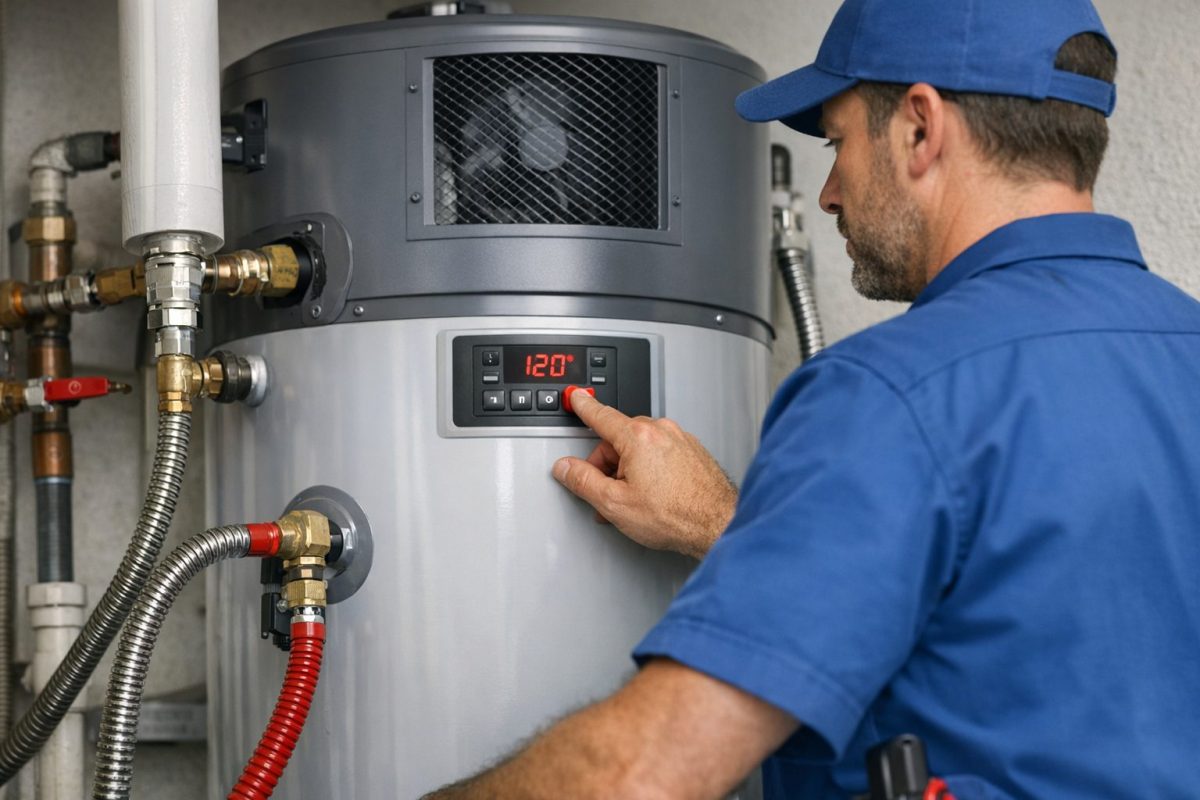
Hybrid and Heat Pump Water Heaters: Are They Right for Your Home?

When your water heater starts to fail, or you’re planning a replacement while it still works, you face a choice that goes beyond just picking a new tank. The type of water heater you install shapes your energy bills for the next decade. Hybrid and heat pump water heaters have moved from niche products to mainstream options over the past few years, and they’re worth understanding before your current unit forces a rushed decision. But they’re not the right fit for every home, and understanding how they work, what they cost, and what they deliver in real-world conditions matters far more than marketing claims.

If you’re a Treasure Coast homeowner facing a water heater replacement, whether that’s an emergency failure or a planned upgrade, this guide walks you through how these technologies actually work, what efficiency gains mean for your wallet, and the real installation requirements you’ll encounter in a Florida home. We’ll also address the misconceptions that cause homeowners to dismiss these units prematurely, and give you a realistic sense of whether the higher upfront cost justifies the long-term savings.

How Hybrid and Heat Pump Water Heaters Actually Work

The fundamental difference between a heat pump water heater and a traditional electric resistance model comes down to how heat is produced. A conventional electric water heater uses resistance heating, essentially turning electricity directly into heat through a coil, similar to how a toaster works. It’s straightforward, but it’s also energy-intensive because you’re converting electrical energy into thermal energy with no intermediate step.

Heat pump water heaters operate on a completely different principle. They extract heat from the surrounding air and transfer it into your water supply. Think of it like this: instead of burning fuel to create warmth from scratch, you’re moving existing warmth from one location to another. That’s the core efficiency advantage. The refrigerant cycle that makes this possible is the same technology that keeps your air conditioner cold, just operating in reverse.

Hybrid water heaters split the difference. They combine a heat pump mechanism with a conventional electric resistance heating element as a backup. This gives you flexibility: the unit runs in heat pump mode under normal conditions (low energy draw), but can switch to electric resistance mode when demand spikes, like when multiple people shower in quick succession, or if the surrounding air is too cold for the heat pump to operate efficiently. Some hybrid models also include an Economy mode (heat pump only, slower recovery), a Hybrid mode (balanced performance), and an Electric mode (full resistance heating for maximum speed).

A hypothetical scenario: imagine a household that showers in the morning and evening, with occasional loads of hot water for laundry or dishes. Under normal conditions, a hybrid water heater runs in heat pump mode, pulling heat from the air in the garage and transferring it into your tank at a slow, efficient rate. During morning rush, if the tank temperature drops below a setpoint, the unit switches to electric resistance mode for 20 minutes to rapidly reheat, then returns to heat pump mode once the peak demand passes. That flexibility is what makes hybrids so practical for real homes.

The Efficiency Advantages of Heat Pump Water Heaters

The efficiency gap between a heat pump and a traditional electric resistance water heater is significant. Because heat pump models move heat rather than generate it, they consume considerably fewer kilowatt-hours per gallon of hot water produced. In practical terms, this translates to lower monthly utility bills, especially in homes with high hot water demand, like families with multiple bathrooms or frequent laundry.

The exact savings depend on your local electricity rates, how much hot water your household uses, and which specific unit you choose. A household that uses a lot of hot water in a climate with moderate ambient temperatures will see larger absolute savings than a home with minimal hot water demand. Efficiency gains are most pronounced when you’re replacing an electric resistance water heater; if you’re switching from natural gas, the comparison is less dramatic because gas units are often cheaper to operate than electric resistance models.

There’s also a financial incentive beyond the lower utility bill. ENERGY STAR-certified heat pump and hybrid models may qualify for federal tax credits under current energy efficiency programs, and many Florida utilities offer local rebates for heat pump water heater installations. These incentives can meaningfully offset the purchase price, reducing the payback timeline. However, tax credits and rebate programs change annually, so the specific amounts available when you’re ready to buy will differ from what’s available today.

Installation Requirements You Need to Know

Before committing to a heat pump or hybrid water heater, understand the installation realities specific to Florida homes. These units have physical and electrical requirements that older tank models don’t, and they’ll affect your total project cost and timeline.

Space and Placement

Heat pump water heaters need adequate surrounding air volume to operate efficiently. A tight, confined utility closet often isn’t sufficient. Most manufacturers specify a minimum cubic footage requirement for the installation space, typically something in the range of 700–1000 cubic feet, though this varies by model. The unit draws heat from the ambient air, so an installation location that stays reasonably warm year-round performs best: an attached garage, a utility room, a basement, or an outdoor enclosure typical of Florida homes. Cold installation environments reduce efficiency; if your water heater is in an unheated garage in a climate with freezing winters, a heat pump’s performance would degrade significantly. Florida’s warm climate is actually favorable here, but you still need adequate air circulation around the unit.

One secondary benefit: because the heat pump removes heat from the surrounding air, it can cool and dehumidify the installation space slightly during warm months. In humid South Florida, this is a genuinely useful side effect that adds value beyond hot water production.

Electrical Upgrade

Most hybrid and heat pump water heaters require a dedicated 240-volt electrical circuit. If your home’s electrical panel doesn’t have available capacity, common in older houses built before the energy demands of modern homes, you may need a panel upgrade before installation. This is an additional cost worth budgeting for upfront. A licensed electrician can assess whether your existing electrical service can accommodate the unit or whether an upgrade is necessary. This isn’t something to leave to guesswork or assumption; it’s a conversation to have before you purchase the unit.

Professional Installation

Given the electrical requirements and proper condensate drainage setup, professional installation isn’t optional, it’s necessary. A qualified technician will ensure the unit is wired correctly, that drainage is handled properly (heat pump models produce condensation that needs to be managed), and that all connections meet code. This is particularly important in Florida, where building codes and permit requirements for water heater installations are specific to the region.

Common Misconceptions That Stop Homeowners From Choosing These Units

Several persistent myths cause homeowners to dismiss heat pump and hybrid water heaters prematurely, even when they’re a good fit for their home and usage pattern.

Misconception: “They won’t work in Florida because the air is too warm.” False. Heat pump water heaters actually perform well in warm climates. The technology extracts heat from the air and transfers it into water; warmer ambient air means the system has more heat to work with, not less. Florida’s year-round warm temperatures are actually ideal conditions for heat pump efficiency. The misconception likely stems from confusion with heat pumps for space heating in cold climates, where outdoor air temperatures limit performance.

Misconception: “The upfront cost is too high; I’ll never recover the savings.” This depends entirely on your specific situation. If you have high hot water demand and high electricity rates, payback timelines are often reasonable, five to seven years isn’t uncommon. But if your hot water usage is minimal or your utility rates are already low, payback takes longer. The federal tax credits and utility rebates mentioned earlier can compress the payback timeline significantly. The key is calculating your specific return based on your actual usage and rates, not assuming a generic worst case.

Misconception: “They’re slow; I’ll run out of hot water.” Heat pump-only units do recover more slowly than electric resistance models, which is a real trade-off. But hybrid models, which combine the heat pump with a backup electric element, give you the efficiency of heat pump operation under normal conditions and the speed of electric resistance when you need it. This is why hybrids are often more practical for real-world homes than pure heat pump models. The choice depends on your household’s hot water demand profile.

Misconception: “They require constant maintenance, unlike traditional water heaters.” Maintenance requirements are comparable to traditional models. Like any water heater, they benefit from regular flushing to manage sediment buildup, particularly important in Florida, where hard water accelerates sediment accumulation. But the core maintenance routine is the same.

Realistic ROI Timelines and What Affects Payback

Return on investment isn’t a single number; it depends on several variables unique to your home and usage.

Hot water demand: A household with high usage, multiple daily showers, frequent laundry, a large family, sees faster payback than a home with minimal hot water needs. The efficiency gain compounds over time and use.

Electricity rates: Your local utility rate per kilowatt-hour directly affects how much you save each month. Higher rates mean bigger savings from the efficiency gain. Check your electric bill to see your actual per-kWh rate.

Unit efficiency rating: Not all heat pump models are equally efficient. ENERGY STAR-certified units perform better than non-certified alternatives. Compare the Uniform Energy Factor (UEF) rating when evaluating options.

Available incentives: Federal tax credits, utility rebates, and manufacturer incentives can meaningfully reduce the effective purchase price. These incentives vary by year and utility provider; check current programs in your area.

Installation costs: If your home requires electrical panel upgrades or other site-specific modifications, total installed cost will be higher. Get a detailed quote that includes all labor and necessary upg

Leave a Reply

Your email address will not be published. Required fields are marked *