
Prices, codes, and product options referenced below have been reviewed and updated for 2026.
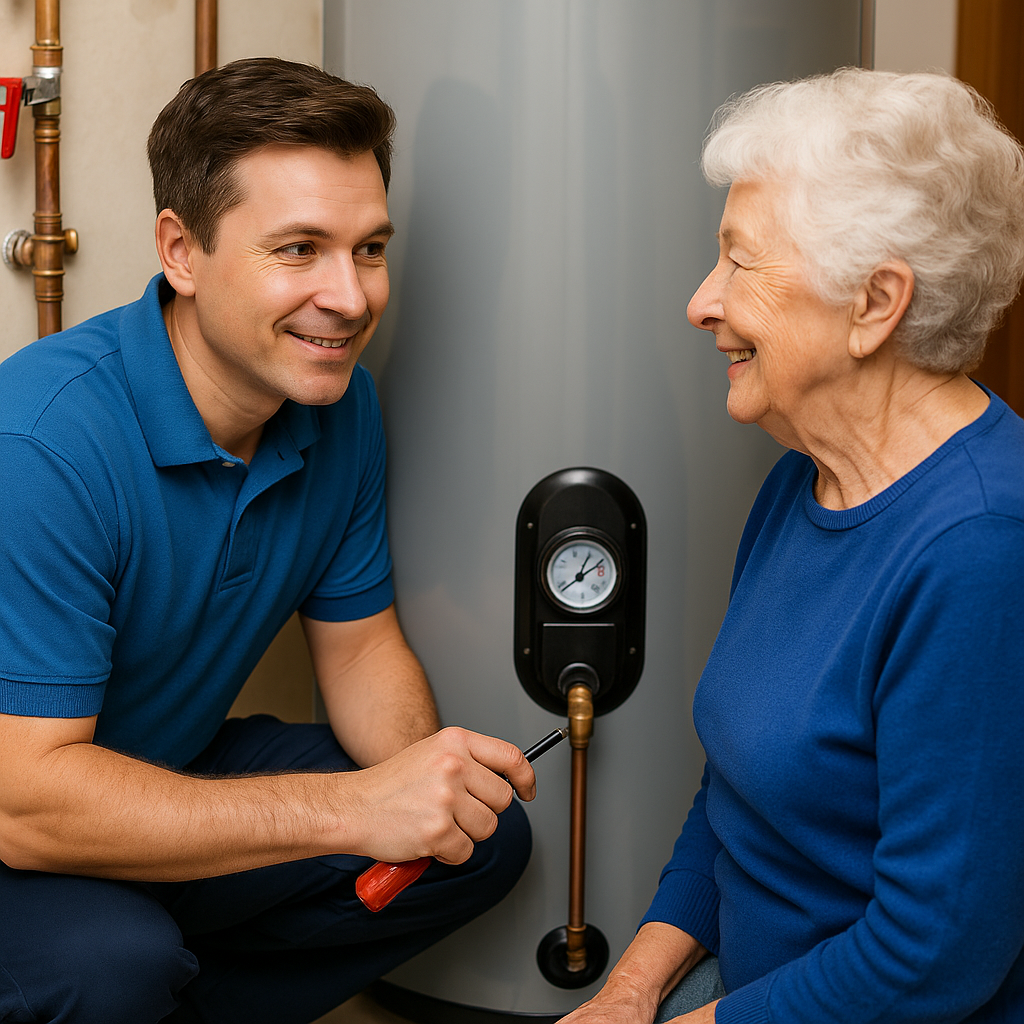
If you’re buying a new water heater, one wrong decision can cost you thousands of dollars over its lifetime. Many homeowners unknowingly fall into common traps — from choosing the wrong size to ignoring energy efficiency — that result in higher utility bills, frequent breakdowns, and even safety risks. In this article, we’ll break down the most common water heater shopping mistakes, show you how to avoid them, and guide you toward smart, budget-friendly solutions.
Quick Overview
Most expensive water heater purchases trace back to five mistakes: wrong size, ignored efficiency ratings, missing installation costs, an unplanned fuel switch, and skipped maintenance. Size a storage unit by its first hour rating, as Energy.gov explains, and compare efficiency using the Uniform Energy Factor that ENERGY STAR uses to certify models.
Common Water Heater Shopping Mistakes
- Choosing the Wrong Size
One of the biggest mistakes homeowners make is buying a water heater that’s either too small or too large for their household. A small unit struggles to keep up with demand, leaving you with cold showers, while an oversized unit wastes energy by heating water you don’t use.
Solution: Calculate your household’s peak hot water usage before buying. For example, a family of four might need a 50-gallon tank, while a single person may only need 30 gallons. If you’re considering a tankless water heater, check its flow rate (GPM) to ensure it matches your home’s needs.
- Ignoring Energy Efficiency Ratings
Many shoppers focus only on price and overlook energy efficiency, which can significantly impact monthly utility bills. Low-efficiency models might save money upfront but can cost hundreds more in the long run.
Solution: Look for units with a high Uniform Energy Factor (UEF) rating. These models use less energy, heat water faster, and qualify for possible rebates.
- Forgetting Installation Costs
Homeowners often buy the cheapest water heater online without factoring in installation costs, which can be as expensive as the unit itself. DIY installation without proper skills can lead to leaks, code violations, or even gas hazards.
Solution: Always include installation fees in your budget and hire a licensed plumber or HVAC professional. This ensures compliance with local building codes and keeps your warranty valid. For more information, check our installation guide on Discount Water Heaters to understand what’s involved.
- Overlooking Fuel Type and Compatibility
Switching from electric to gas or vice versa without checking compatibility can lead to expensive retrofitting costs. Gas water heaters need proper venting, while electric models may require electrical upgrades.
Solution: Stick with the same fuel type unless you’ve budgeted for a conversion. If you do switch, consult a professional to ensure your home’s infrastructure can handle the new system safely.
- Failing to Plan for Maintenance
Water heaters require periodic maintenance like flushing the tank and checking the anode rod. Skipping this step shortens the heater’s lifespan and increases the risk of leaks.
Solution: Schedule annual maintenance and keep a reminder on your calendar. Some modern water heaters even come with smart alerts for maintenance needs.
When and Why to Involve a Professional
Hiring a professional isn’t just about convenience — it’s about safety, compliance, and long-term cost savings. Professionals can:
Size the water heater correctly based on household usage
Ensure safe installation and venting
Help you choose energy-efficient models that fit your budget
Identify rebate opportunities and local code requirements
Industry-Specific Considerations
Compliance: Many areas require permits for water heater installation. Failing to get one can void insurance coverage if damage occurs.
Safety: Gas water heaters must be vented properly to prevent carbon monoxide buildup.
Technology: Tankless water heaters and hybrid models offer high efficiency but need specialized installation knowledge.
Benefits of Avoiding Water Heater Shopping Mistakes
By avoiding these mistakes, you can:
Save hundreds on energy bills annually
Extend your water heater’s lifespan by 5–10 years
Prevent costly emergency repairs or water damage
Enjoy consistent hot water without interruptions
FAQs
- What size water heater do I need?
Your water heater size depends on the number of people in your home and peak water usage. As a general rule, 30–40 gallons is enough for 1–2 people, 40–50 gallons for 3–4 people, and 50+ gallons for larger families.
- Are tankless water heaters worth it?
Yes — for households with high hot water demand or limited space, tankless water heaters can be a great investment. They provide endless hot water and can save 20–30% on energy bills over time. However, they cost more upfront and require professional installation.
- Can I install a water heater myself?
DIY installation is possible but risky if you lack plumbing and electrical skills. Mistakes can lead to leaks, electrical hazards, or voided warranties. Hiring a professional is recommended for safety and compliance.
- How long do water heaters last?
Traditional tank water heaters last 8–12 years with proper maintenance, while tankless models can last 20 years or more.
- How do I know if my water heater is failing?
Signs include rusty water, strange noises, frequent repairs, and water pooling around the base. If your heater is over 10 years old and showing these symptoms, replacement may be the best option.
Conclusion
Avoiding water heater shopping mistakes can save you money, prevent emergencies, and give you peace of mind. Before making a purchase, take the time to research, size your system properly, and invest in professional installation. Visit our Best Discount Water Heaters Guide to explore budget-friendly, energy-efficient options that match your needs. Or contact us today for expert advice on choosing the right water heater for your home.
Same-Day Water Heater Service on the Treasure Coast
Need a licensed plumber right away? Discount Water Heaters offers same-day service across the Treasure Coast. Call (772) 202-6671 or find service near you.
- Port St. Lucie, FL
- Palm City, FL
- Stuart, FL
- Jensen Beach, FL
- Hobe Sound, FL
- Fort Pierce, FL
- Vero Beach, FL
Related resources: Learn more about water heater maintenance, hard water effects on water heaters, same-day water heater installation.
Frequently Asked Questions: 2027 Update
2027 Update: answers reflect current guidance from Energy.gov, ENERGY STAR, and other trusted sources.
What size water heater do I need for my home?
Size a storage water heater by its first hour rating, which should match the most hot water your household uses in its busiest hour. Tankless models are sized by flow rate in gallons per minute. Energy.gov provides a sizing worksheet for both.
Is an ENERGY STAR water heater worth the higher price?
For electric homes, usually yes. ENERGY STAR estimates a household of four saves about $550 a year with a certified heat pump water heater compared with a standard electric unit, with the extra cost paid back in roughly 2.7 years.
Can I switch from electric to gas when I replace my water heater?
Yes, but plan for the added work. ENERGY STAR notes that a gas tankless install may need a gas line, electricity for ventilation, and proper venting of combustion gases, and those costs belong in your quote.
How long should a new water heater last?
Energy.gov lists 10 to 15 years for storage water heaters and about 20 years for tankless models. Ask about the warranty too, since longer coverage signals a sturdier unit.
Related Reading
- Top Mistakes Homeowners Make When Replacing a Water Heater
- Best Energy-Efficient Water Heaters to Buy in 2026
- Water Heater Maintenance Guide for Florida Homeowners: 5 Essential DIY Tasks (2026)
Related reading: Learn more about water heater financing options and our full range of services. If you run a home service business, our partners at The Blue Collar Recruiter can help you find and train qualified technicians.
Related Resources for Florida Homeowners: Tank vs. Tankless Water Heaters: One is Right for You? | Ultimate Guide to Choosing the Right Water Heater for Your Home