
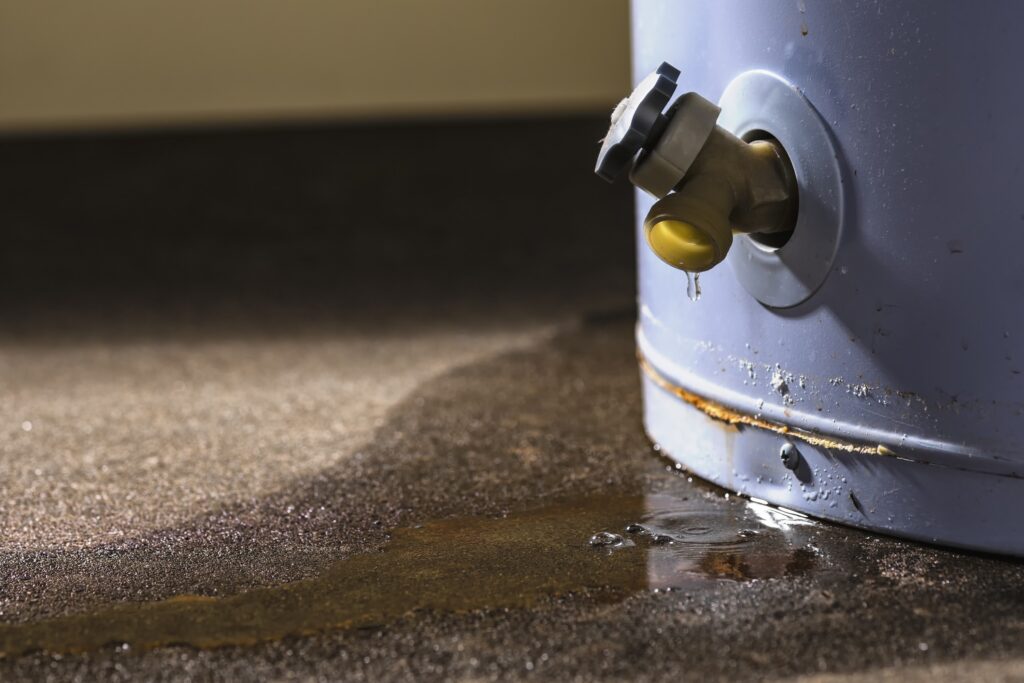
This guide has been refreshed for 2026 to reflect current Treasure Coast pricing and equipment options.
If your water heater keeps breaking despite repairs, you’re not just unlucky. There’s a reason. Here are the most common causes and what you can do about them.
Florida’s Hard Water Is Destroying Your Water Heater
This is the number one reason water heaters fail repeatedly in Treasure Coast, FL. Our water contains extremely high levels of calcium and magnesium that wreak havoc on water heaters.
How hard water kills water heaters:
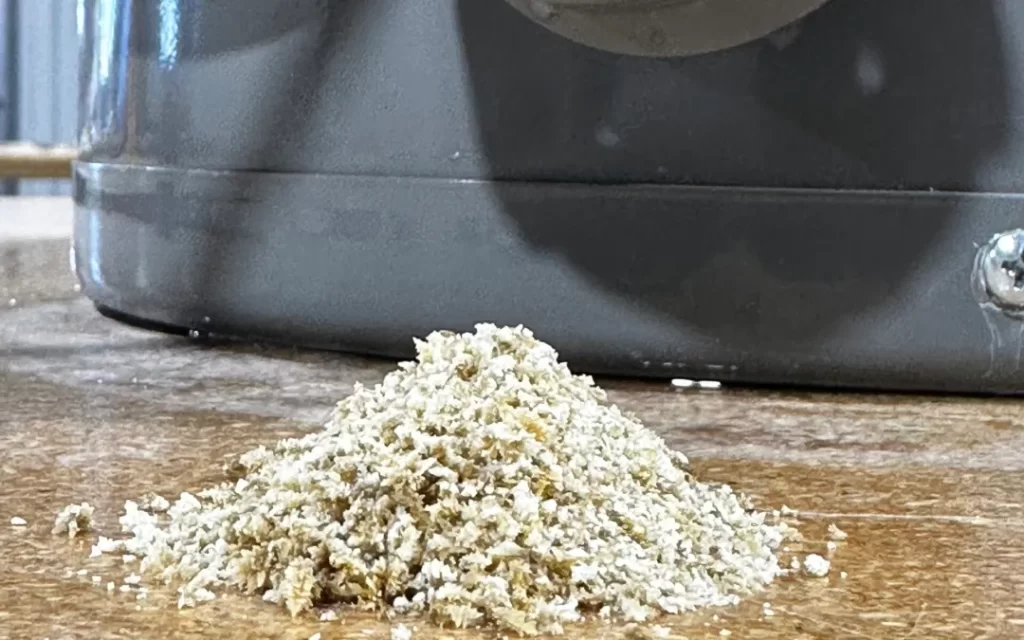
Minerals settle at the bottom of your tank, forming thick sediment. This sediment insulates the heating element, forcing it to work harder and overheat. The overworked element burns out faster. The sediment also takes up space, reducing hot water capacity.
Minerals attack the anode rod, the sacrificial component designed to corrode instead of your tank. Once the anode rod is eaten away (which happens faster in hard water), the tank itself starts corroding.
According to WaterTech, hard water reduces water heater lifespan by 3-5 years compared to soft water areas. An 8-year-old Florida water heater has lived the equivalent of a 12-year-old unit elsewhere.
Signs hard water is your problem:
Popping, rumbling, or banging noises from the tank. Reduced hot water supply. Rusty or discolored water. Repeated heating element failures. Water heater is less than 10 years old but constantly having issues.
Flush your water heater every 6 months to remove sediment. In Florida, this isn’t optional. Replace the anode rod every 3-4 years. Consider installing a whole-home water softener. If your water heater is already damaged from years of hard water, replacement often makes more sense than continuing repairs.
Your Water Heater Is Simply Old
Water heaters aren’t designed to last forever. Typical lifespan is 8-12 years. In Florida’s hard water conditions, expect 6-10 years.
Why old water heaters keep breaking:
Components wear out. The thermostat stops maintaining proper temperature. Heating elements become less efficient. Valves start leaking. The tank develops internal corrosion.
The math that matters:
If your water heater is 9 years old and needs a $400 repair, you’re investing $400 into a unit that’s statistically near failure. That same $400 applied toward replacement gives you a new system with 8-10 years of life and improved efficiency.
What to do: Check the serial number on your water heater to determine its age. If it’s 8+ years old and needs another repair, seriously consider replacement instead.
Thermostat Problems
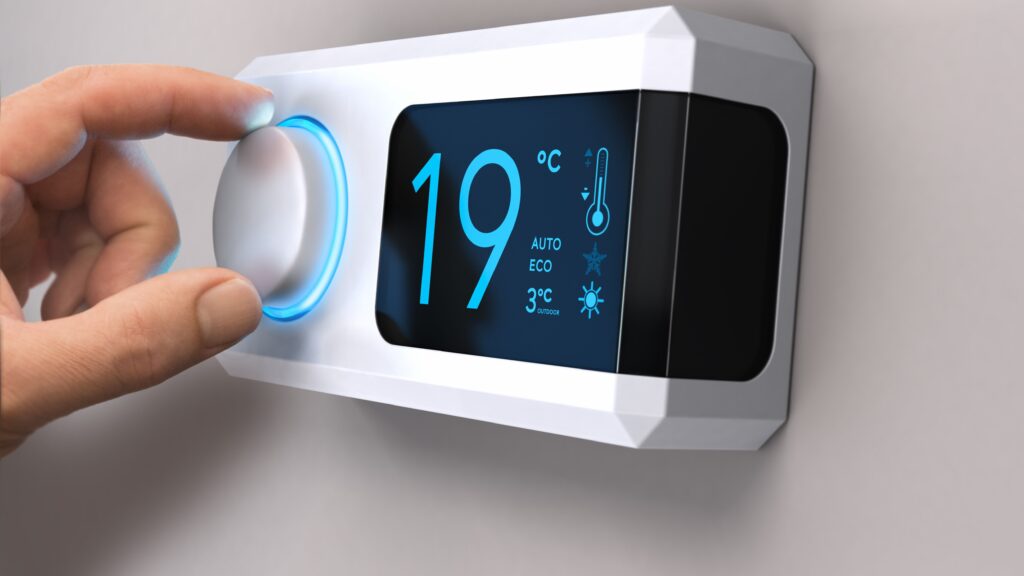
Thermostats regulate water temperature. When they fail, you get scalding hot water, lukewarm water, or no hot water at all.
Why thermostats keep failing:
Sediment buildup interferes with sensors. The thermostat gets false readings and cycles incorrectly. Mineral deposits on heating elements cause temperature fluctuations. The thermostat tries to compensate and eventually burns out.
Signs of thermostat problems:
Water temperature constantly changes. Hot water runs out faster than it should. Water is scalding hot or barely warm.
What to do: Replacing a thermostat costs $150-$300. But if sediment caused the failure, the new thermostat will fail too unless you flush the tank and address the root cause.
Heating Element Failures (Electric Water Heaters)
Electric water heaters have heating elements that warm the water. These burn out over time, especially in hard water.
Why elements keep failing:
Sediment buildup forces elements to overheat. Mineral deposits coat the element, reducing efficiency. Electrical surges damage elements. Poor water quality accelerates corrosion.
Replacing an element costs $200-$400. If you’re replacing elements every 1-2 years, you have a deeper problem. Flush the tank, check the anode rod, or consider replacement if elements keep failing despite maintenance.
Leaks That Keep Coming Back
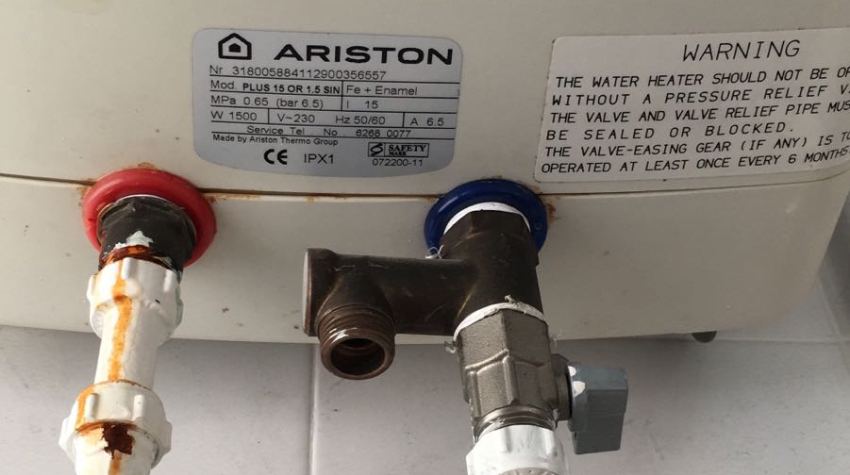
Small leaks often indicate bigger problems. You fix one leak, another appears somewhere else.
Why leaks keep happening:
Tank corrosion creates multiple weak points. Fix one, another develops. Pressure relief valve fails due to sediment. Temperature and pressure fluctuations stress connections.
Where leaks commonly appear:
Top connections where cold water enters and hot water exits. Bottom drain valve. Pressure relief valve. Tank itself (requires replacement).
What to do: Leaks at connections or valves can be repaired ($100-$200). But if the tank itself is leaking, there’s no repair option. The tank is corroded through and needs immediate replacement.
When Repair Stops Making Sense
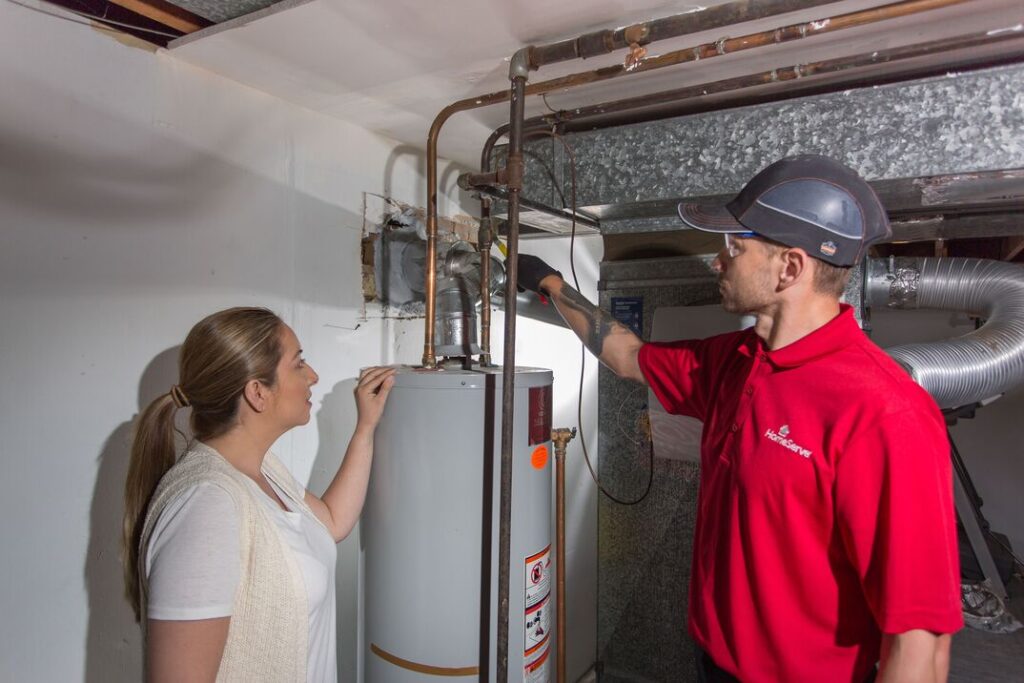
Here’s how to decide between repair and replacement:
Repair makes sense when:
- Water heater is less than 6 years old
- Single component failure (element, thermostat, valve)
- Repair costs under $400
- No signs of tank corrosion
Replacement makes more sense when:
- Water heater is 8+ years old
- Multiple repairs needed in past year
- Tank is leaking
- You’ve spent $800+ on repairs already
- Frequent breakdowns disrupt your life
According to Consumer Reports, if repair costs exceed 50% of replacement cost AND your unit is past half its expected lifespan, replacement is the smarter choice.
Preventing Future Water Heater Problems
If you decide to repair or replace, take these steps to prevent the cycle from repeating:
Annual maintenance prevents 80% of failures:
- Flush tank every 6 months (critical in Florida)
- Test pressure relief valve annually
- Inspect anode rod every 2-3 years
- Check for leaks and corrosion
- Verify proper temperature settings (120°F)
Install a water softener: This is the single best investment for Florida homes. Removing minerals before they reach your water heater dramatically extends its lifespan.
Choose the right replacement: If replacing, consider tankless water heaters. They handle hard water better because water flows through rather than sitting and depositing minerals. They also last 20+ years versus 8-12 for traditional tanks.
Get Expert Help in Treasure Coast
If your water heater keeps breaking, Discount Water Heaters provides honest assessments of whether repair or replacement makes sense for your situation.
We serve Treasure Coast, FL with:
- Same-day emergency service
- Upfront pricing with no surprises
- Licensed, experienced technicians
- Warranties on all work
- Free replacement estimates
Stop the cycle of constant repairs. Contact us for a thorough inspection and honest recommendation.
Call or text: 772-202-6671
We’ll tell you the truth about what’s wrong and whether fixing it again makes financial sense or if it’s time to cut your losses and get a reliable new system.
Related resources: Learn more about water heater repair, water heater maintenance, same-day water heater installation.
Related Reading
- Hard Water and Your Water Heater: What Treasure Coast Florida Homeowners Need to Know
- Water Heater Maintenance Guide for Florida Homeowners: 5 Essential DIY Tasks (2026)
- Water Heater Noise: Why It Happens and When It’s a Warning Sign
Related reading: Learn more about our water heater maintenance services and frequently asked questions.
Related Resources for Florida Homeowners: How to Extend the Life of Your Water Heater in Florida’s Climate | How Much Does a Water Heater Cost in 2026?