
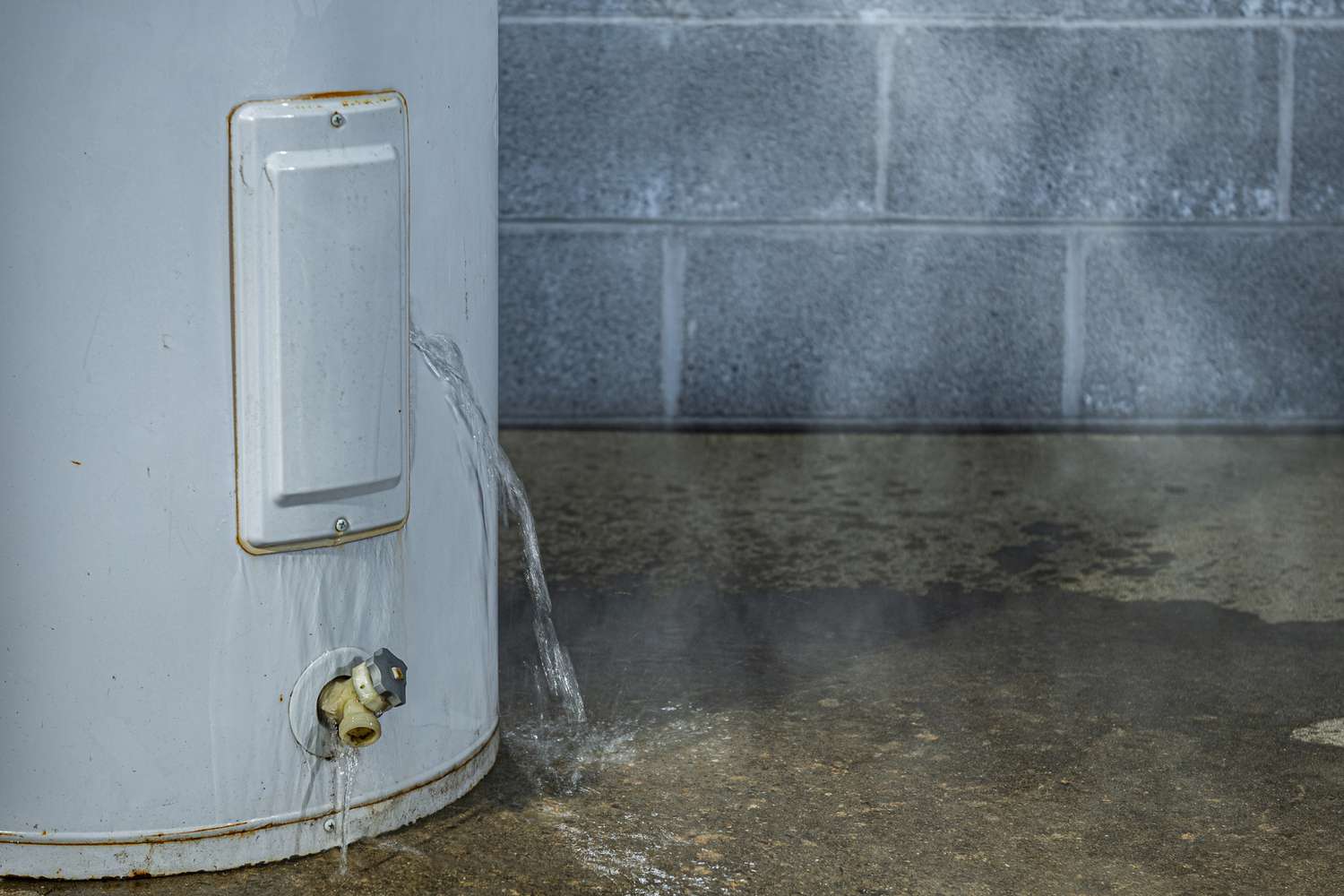
Most homeowners don’t think about their water heater until it breaks — then they’re stuck with a cold shower, a flooded garage, or a $2,000 emergency replacement.

The truth is, a water heater that gets basic yearly attention lasts 10–15+ years. One that’s ignored? You’re lucky to get 8.

Here are the 7 annual habits that actually keep your unit running.

1. Flush the Tank Once a Year

Sediment buildup is the #1 killer of water heaters. Every time your unit heats water, minerals in that water settle to the bottom of the tank. Over time, that sediment layer forces your heater to work harder, drives your energy bill up, and burns out the heating element faster.

Flushing the tank once a year clears that sediment out. It takes about 30 minutes and extends the life of your unit by years. If you’ve never flushed yours — or you don’t remember the last time — call us at Discount Water Heaters and we’ll handle it.

2. Test the Temperature and Pressure Relief Valve

The T&P valve is a safety device that prevents your tank from exploding when pressure gets too high. Most homeowners don’t even know it exists.

Testing it is simple: lift the valve tab for a couple seconds, let it snap back, and check that water discharges through the overflow pipe. If nothing comes out — or if it keeps leaking after you release it — the valve needs to be replaced immediately.

A stuck T&P valve is a serious safety hazard. Don’t skip this.

3. Check the Anode Rod

The anode rod is a sacrificial metal rod inside your tank that corrodes instead of the tank walls. When it’s gone, rust starts eating the tank itself — and that’s when you start seeing leaks.

Most anode rods last 3–5 years. Check it annually. If it’s worn down to the wire or coated in heavy calcium, replace it. A $30 rod can add 5+ years to your tank’s life.

4. Inspect for Leaks and Corrosion

Walk around your water heater once a year and look for signs of trouble. Water pooling at the base. Rust spots on the tank or fittings. Moisture on connections. Discoloration around the burner area for gas units.

Small leaks become big problems fast. Catching a leaking fitting early costs you a $20 part. Catching it after the tank fails costs you a new water heater and water damage repair.

5. Adjust the Temperature Setting

Most water heaters come factory-set at 140°F. That’s hotter than you need, burns more energy, and increases the risk of scalding.

Drop it to 120°F. You’ll save roughly 6–10% on your water heating bill, cut down on mineral buildup, and reduce the risk of burns — especially in households with kids or elderly family members.

If you have a dishwasher without its own booster heater, stay closer to 120–125°F so it still cleans properly.

6. Clear the Area Around the Unit

Water heaters need airflow. Gas units need it for combustion. Electric units need it for heat dissipation. Stacking boxes, cleaning supplies, or laundry around the unit is a fire hazard and a performance killer.

Keep at least 2 feet of clear space on all sides. While you’re at it, vacuum any dust off the burner area and around the base. Clean units run cooler and last longer.

7. Schedule a Professional Inspection

The six habits above handle most maintenance. But a professional inspection catches the stuff you can’t see — gas line issues, flue problems, failing thermocouples, bad wiring, or early signs of tank failure.

One visit a year keeps your unit running efficiently and catches expensive problems before they explode. Literally.

Book your annual inspection with Discount Water Heaters and we’ll take care of the whole checklist for you.

The Bottom Line

Your water heater is one of the most used appliances in your home. Ignore it, and it dies early. Give it an hour of attention once a year, and you’ll save thousands over its lifetime.

Need help with any of these? Whether it’s a flush, a full inspection, or a replacement quote, we’ve got you covered across the Treasure Coast.

Contact Discount Water Heaters today and keep your water heater running strong.

Leave a Reply

Your email address will not be published. Required fields are marked *